kidi star dj mixer manual
Kidi Star DJ Mixer Manual: A Comprehensive Guide
Navigating Facebook for account access‚ sharing stories‚ and utilizing features like Groups‚ Watch‚ and Marketplace are key aspects of online interaction today.
Welcome to the exciting world of music creation and performance with the Kidi Star DJ Mixer! This manual serves as your comprehensive guide to unlocking the full potential of this fantastic device‚ designed to inspire young DJs and music enthusiasts. Whether you’re a beginner taking your first steps into the realm of mixing or an aspiring artist looking to hone your skills‚ this mixer offers a user-friendly and engaging experience.
The Kidi Star DJ Mixer isn’t just a toy; it’s an introduction to the core principles of DJing. It allows exploration of beatmatching‚ blending tracks‚ and experimenting with sound effects – all within a safe and controlled environment. Like accessing Facebook to connect with friends and communities‚ this mixer connects you to the world of music. Understanding the basics‚ similar to logging into an account‚ is crucial for a smooth experience. Prepare to embark on a musical journey filled with creativity and fun!
Unboxing and Component Overview
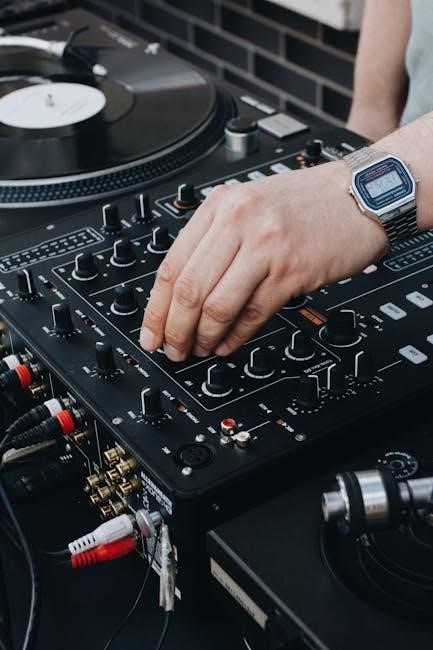
Carefully unpack your Kidi Star DJ Mixer and verify that all components are present. Inside the box‚ you should find the DJ mixer unit itself‚ a microphone for vocal effects and announcements‚ and potentially demo tracks to get you started. Check for any visible damage that may have occurred during shipping. Like opening a Facebook account‚ initial setup is key.
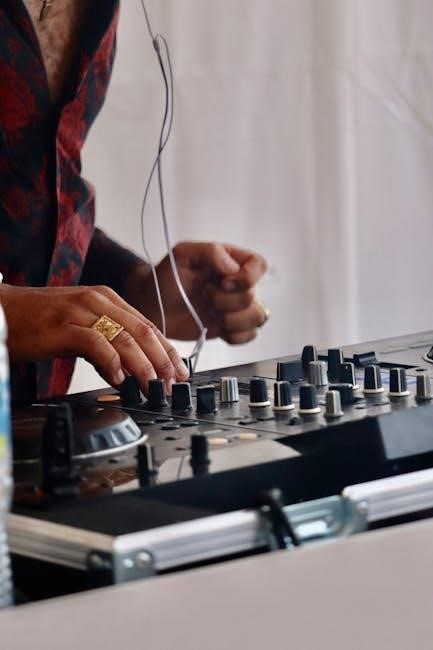
The mixer features a central mixing console with various controls‚ including volume faders‚ EQ knobs‚ and a crossfader. You’ll also find input jacks for connecting external audio sources‚ a headphone jack for private monitoring‚ and a power adapter. Familiarize yourself with the layout – understanding where each component is located‚ similar to navigating Facebook’s interface‚ will streamline your DJing experience. Retain the packaging for potential future transport or warranty claims. A quick inventory ensures a hassle-free setup!
Setting Up the DJ Mixer
Begin by placing the Kidi Star DJ Mixer on a stable‚ level surface. Connect your audio sources – this could include a smartphone‚ tablet‚ or other music players – using the appropriate audio cables (typically RCA or 3.5mm). Ensure the connections are secure to prevent signal loss‚ much like a secure Facebook login.
Plug the microphone into the designated microphone input jack. If you plan to use headphones for monitoring‚ connect them to the headphone output. Next‚ connect the power adapter to the mixer and a power outlet. Before fully powering on‚ double-check all connections. Think of this as verifying your Facebook profile information before making it public. Proper setup is crucial for optimal performance and prevents potential issues. A well-organized setup will enhance your creative flow and enjoyment!
Powering On and Initial Checks
To power on the Kidi Star DJ Mixer‚ locate the power button – usually found on the rear panel – and press it. Observe the power indicator light to confirm it’s illuminated. Similar to logging into Facebook‚ a visual confirmation is essential.
Next‚ perform initial checks. Ensure all connected devices are powered on and playing audio. Verify that the volume faders are at their minimum settings before increasing the volume gradually. This prevents sudden loud noises. Test the microphone by speaking into it and checking the input level meter. Confirm that the headphone output is functioning correctly. If you encounter any issues‚ double-check all cable connections and power supplies. A systematic approach‚ like navigating Facebook’s settings‚ will help identify and resolve problems quickly.

Understanding the Controls
Facebook’s login process and feature exploration mirror the Kidi Star DJ Mixer’s control layout; familiarity with both enhances user experience and creative potential.
Main Mixing Console Layout
The Kidi Star DJ Mixer’s console is intuitively designed for young DJs‚ mirroring the social connection focus seen on platforms like Facebook. Just as Facebook facilitates connections between people‚ the mixer connects audio sources.

Central to the layout are the dual channels‚ each dedicated to a separate audio input – perhaps a built-in sound‚ a connected device‚ or the microphone. Above these channels‚ you’ll find the EQ controls‚ allowing for tonal adjustments. Below‚ the volume faders dictate the output level of each channel.
The crossfader‚ a prominent feature‚ smoothly transitions between the two channels‚ creating seamless mixes. Like navigating Facebook’s interface to find friends and groups‚ understanding the console’s arrangement is crucial. The central section houses master volume control and headphone output for monitoring. Finally‚ dedicated buttons activate built-in sound effects‚ adding flair to performances‚ much like sharing stories on Facebook adds personality.
Volume Controls and Faders
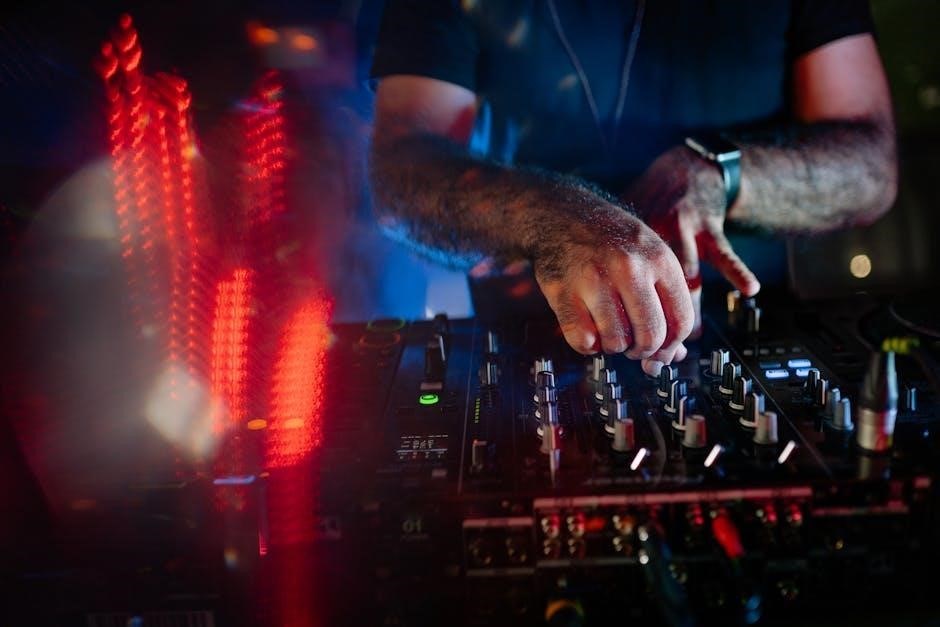
The Kidi Star DJ Mixer’s volume controls‚ much like managing your online presence on platforms like Facebook‚ require careful adjustment for optimal results. Each channel boasts a dedicated volume fader‚ allowing precise control over the audio level of each source. Sliding the fader upwards increases the volume‚ while lowering it decreases it – a direct‚ tactile experience.
These faders aren’t just about loudness; they’re about balance. Achieving a harmonious mix requires adjusting the faders to ensure neither track overpowers the other. The master volume control‚ centrally located‚ governs the overall output level sent to speakers or headphones.
Monitoring through headphones is vital‚ allowing you to preview mixes before broadcasting them. Just as Facebook allows previewing posts‚ this ensures a polished sound. Careful use of these controls prevents distortion and ensures a clear‚ enjoyable listening experience for everyone‚ mirroring the clarity desired in online communication.
EQ Controls (High‚ Mid‚ Low)
Similar to curating your Facebook feed‚ the Kidi Star DJ Mixer’s EQ controls allow you to sculpt the sound‚ emphasizing or diminishing specific frequencies. These controls – High‚ Mid‚ and Low – are your sonic sculpting tools. The ‘High’ control adjusts treble frequencies‚ adding brightness or reducing harshness. Think of it as enhancing clarity‚ like a sharp image on Facebook.
The ‘Mid’ control affects the middle frequencies‚ crucial for the body and warmth of a sound. Adjusting this can bring vocals forward or push instruments back in the mix. Finally‚ the ‘Low’ control governs bass frequencies‚ providing depth and power.
Mastering EQ is about finding the right balance. Boosting too much can lead to muddiness‚ while cutting too much can sound thin. Experimentation is key‚ just as exploring different Facebook groups helps you find your community. These controls refine the sound‚ creating a professional and polished mix.
Microphone Input and Controls
Just as Facebook facilitates connection through voice and text‚ the Kidi Star DJ Mixer’s microphone input allows you to add your voice to the mix! Locate the microphone input jack – typically a ¼ inch or XLR connection. Once connected‚ you’ll find dedicated controls for the microphone channel.
The ‘Mic Gain’ knob adjusts the input level‚ ensuring a clear signal without distortion. Too low‚ and your voice will be faint; too high‚ and it will clip. A ‘Mic Level’ fader controls the overall volume of the microphone in the mix. Some mixers also include EQ controls specifically for the microphone‚ allowing you to tailor its tone.
Remember to enable phantom power (if required by your microphone) for condenser mics. Like sharing a story on Facebook‚ your voice adds personality and energy to your DJ set. Experiment with effects to enhance your vocal presence!

Advanced Features & Functions
Facebook’s features‚ like Groups and Marketplace‚ enhance user experience; similarly‚ the Kidi Star DJ Mixer offers beatmatching‚ crossfading‚ effects‚ and recording capabilities for advanced mixing.
Beatmatching and Synchronization
Achieving seamless transitions is paramount in DJing‚ and the Kidi Star DJ Mixer facilitates this through its beatmatching and synchronization features. Initially‚ listen intently to both tracks‚ identifying their tempos (beats per minute or BPM). Utilize the mixer’s pitch faders to adjust the speed of one track to align with the other. Facebook‚ similarly‚ requires careful navigation to connect with the right people and communities.
The goal is to have both tracks playing at the same BPM‚ creating a harmonious blend. The mixer may include visual aids‚ like BPM counters‚ to assist in this process. Once the tempos are matched‚ focus on aligning the beats – ensuring the kick drums and snares hit simultaneously. Synchronization features‚ if available‚ can automatically adjust the tempo and beat grid of one track to match the other‚ simplifying the process. Practice is crucial; mastering beatmatching takes time and a keen ear. Remember‚ like connecting on Facebook‚ precision and timing are key!
Crossfader Techniques

The crossfader is a central component of the Kidi Star DJ Mixer‚ enabling smooth transitions between tracks. Mastering crossfader techniques unlocks a world of creative mixing possibilities. Begin by understanding the crossfader’s curve – how quickly it fades between channels. A sharp curve offers abrupt cuts‚ ideal for scratching or energetic transitions‚ while a gradual curve provides smoother blends.
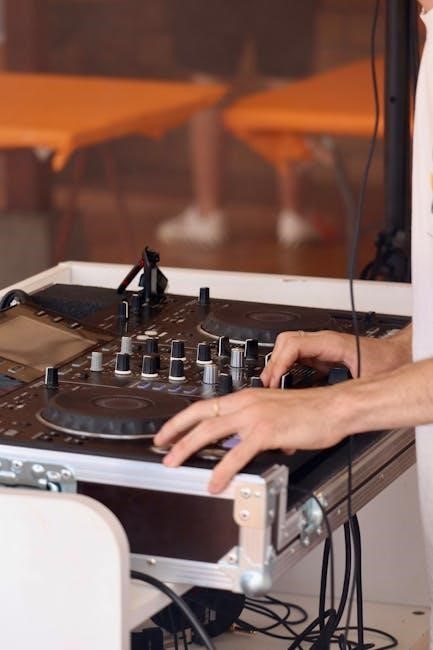
Basic crossfader techniques involve bringing in the new track while simultaneously fading out the old one. Experiment with different timings and speeds to create varied effects. Facebook’s login process‚ similarly‚ requires precise input to access your account. Advanced techniques include using the crossfader in conjunction with EQ controls and effects to sculpt the sound. Practice rhythmic crossfader movements to create a dynamic and engaging mix. Remember‚ consistent practice and experimentation are key to unlocking the full potential of the crossfader.
Using the Built-in Sound Effects
The Kidi Star DJ Mixer boasts a range of built-in sound effects designed to enhance your mixes and add creative flair. These effects‚ accessible through dedicated controls‚ can transform your soundscapes. Explore options like echo‚ reverb‚ flanger‚ and various vocal effects. Experiment with adjusting the intensity and duration of each effect to achieve the desired result.
Like navigating Facebook to connect with friends and communities‚ understanding these effects requires exploration. Subtle use of effects can add depth and texture‚ while more dramatic applications can create impactful transitions. Remember to listen critically and avoid overusing effects‚ as this can muddy the mix. Consider how effects complement the music and enhance the overall listening experience. Consistent practice and experimentation will unlock the full potential of these built-in tools‚ allowing you to craft truly unique and engaging mixes.
Recording and Playback Capabilities
The Kidi Star DJ Mixer allows you to capture your mixes and playback previously recorded sessions‚ fostering creativity and skill development. Utilizing the built-in recording function‚ you can easily document your performances for later review or sharing. Ensure sufficient storage space is available before initiating a recording. The mixer supports recording directly to an internal memory or via a USB connection to a computer.
Playback controls enable you to revisit your creations‚ analyze your technique‚ and identify areas for improvement – much like reviewing shared stories on platforms like Facebook. Experiment with different recording settings to optimize audio quality. Familiarize yourself with the playback functions‚ including rewind‚ fast forward‚ and pause. This feature is invaluable for honing your DJ skills and building a portfolio of your work. Consistent practice and utilizing these features will elevate your mixing abilities.
Troubleshooting Common Issues
Addressing login problems‚ connectivity issues‚ and forgotten passwords‚ similar to Facebook access‚ is crucial for seamless operation and enjoyment of the Kidi Star DJ Mixer.
No Sound Output
Encountering silence with your Kidi Star DJ Mixer can be frustrating‚ but several checks can resolve this. First‚ verify the volume controls on both the mixer itself and the connected audio output device (speakers or headphones) are turned up.
Ensure all cables – audio input‚ output‚ and power – are securely connected. A loose connection is a common culprit. Next‚ confirm the correct audio source is selected on the mixer; you might be trying to play from an inactive channel.
If using external devices like a smartphone or tablet‚ double-check their volume levels and audio output settings. Consider testing with different headphones or speakers to isolate whether the issue lies with the mixer or the external audio equipment.

Similar to troubleshooting Facebook login issues‚ systematically checking each component is vital. Finally‚ a quick power cycle of the mixer and connected devices can sometimes resolve temporary glitches.
Microphone Not Working
If your microphone isn’t functioning with the Kidi Star DJ Mixer‚ begin by confirming it’s properly connected to the designated microphone input. Ensure the microphone is switched on‚ if it has a power switch‚ and that any necessary batteries are fresh.
Next‚ check the microphone gain control on the mixer; it might be set too low to register any input. Slowly increase the gain while speaking into the microphone to see if a signal appears on the mixer’s level indicators.
Verify the correct microphone input channel is selected and active on the mixer. Similar to navigating Facebook’s login process‚ selecting the right input is crucial.
Try a different microphone to determine if the issue lies with the microphone itself or the mixer. A faulty cable can also be the cause‚ so test with a known working cable.
Connectivity Problems
Experiencing connectivity issues with your Kidi Star DJ Mixer? First‚ double-check all cable connections – audio cables‚ USB cables (if applicable)‚ and power cables. Ensure they are securely plugged into both the mixer and the receiving device (speakers‚ computer‚ etc.).
If connecting to a computer‚ verify the mixer is recognized as an audio device within your computer’s sound settings. You may need to select the mixer as the default input/output device.
Similar to logging into Facebook‚ ensuring the correct settings are selected is vital.
Try using different cables to rule out a faulty cable as the source of the problem. Restart both the mixer and the connected device. If using a USB connection‚ test a different USB port on your computer.
Confirm compatibility between the mixer and the connected device.
Software/Firmware Updates
Maintaining up-to-date software or firmware on your Kidi Star DJ Mixer is crucial for optimal performance and access to the latest features. Check the manufacturer’s website regularly for available updates. Similar to accessing Facebook and its evolving features‚ updates enhance functionality.
The update process typically involves downloading the latest firmware file from the website and transferring it to the mixer via USB connection. Detailed instructions will be provided with the update file.
Always follow the instructions carefully during the update process. Interrupting the update can potentially damage the mixer’s firmware.
Before updating‚ back up any important settings or custom configurations.
Updates often include bug fixes‚ performance improvements‚ and compatibility enhancements‚ ensuring a smoother and more reliable DJ experience.