
bosch oven manual
Overview of Bosch Oven Manuals
Bosch oven manuals provide step‑by‑step guidance for installation, operation, and maintenance. They cover safety, programming, and troubleshooting, ensuring users can full utilize features while complying with local regulations. Manuals are available in PDF.
Purpose and Scope of the Manual
The Bosch oven manual is designed to guide users through every stage of ownership, from initial unboxing to advanced culinary techniques. It explains the appliance’s core functions, safety protocols, and maintenance routines, ensuring optimal performance and longevity. The manual’s scope covers all Bosch oven series, including single‑wall, double‑wall, and integrated models, and it addresses regional variations in electrical standards and regulatory compliance. It provides a clear overview of the oven’s control interface, including touch‑pad, dial, and digital display, and explains how to calibrate temperature settings, select cooking modes, and use built‑in timers. Additionally, the manual details the installation prerequisites—such as ventilation, electrical supply, and mounting clearance—to prevent hazards and guarantee warranty coverage. Troubleshooting sections list common error codes, their meanings, and recommended corrective actions, while a dedicated maintenance guide outlines routine cleaning, filter replacement, and component inspection. For users seeking advanced features, the manual includes tips on using convection, grill, and smart‑connect functions, and it references Bosch’s online support portal for firmware updates and recipe libraries. Overall, the manual serves as a comprehensive reference that empowers users to safely operate, maintain, and fully exploit the capabilities of their Bosch oven.
The manual also includes a troubleshooting matrix that maps specific error codes to their root causes, providing step‑by‑step remediation steps. Users can find guidance on how to reset the appliance, update firmware via the Bosch Smart Home app, and schedule regular maintenance checks. The document is written in clear, concise language and includes illustrative diagrams, safety icons, and a glossary of technical terms to aid comprehension. It is available in multiple languages and can be downloaded from Bosch’s official website or accessed through the Bosch app for quick reference on the go.
Model-Specific Features
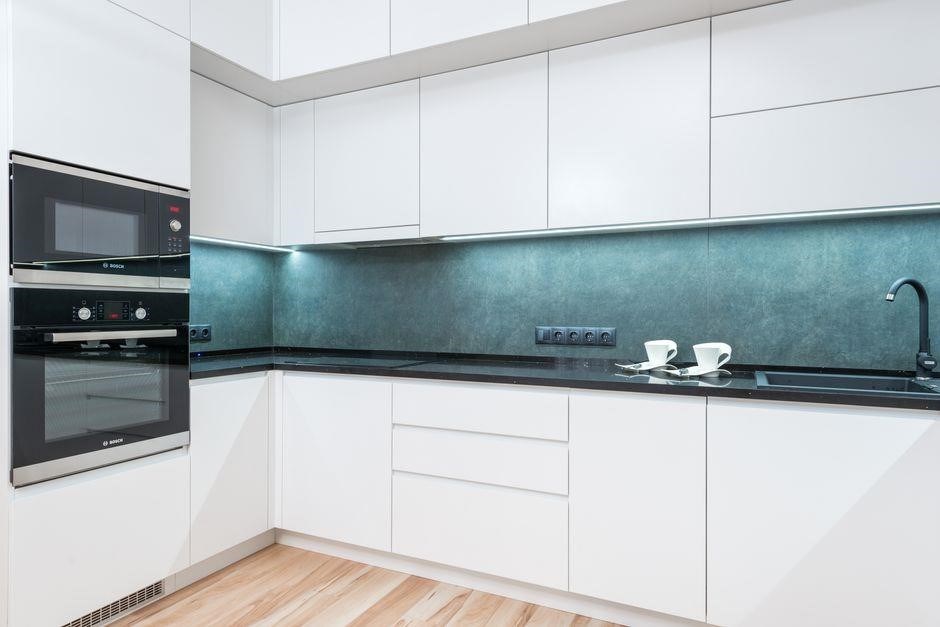
Bosch ovens feature model‑specific options such as the 800 series’ smart‑connect, the 700 series’ convection‑plus, and the 500 series’ eco‑mode. Each model offers unique temperature ranges, pre‑set menus, and safety sensors tailored to its design and energy class. Supports voice control app sync now
Differences Between Bosch Oven Series
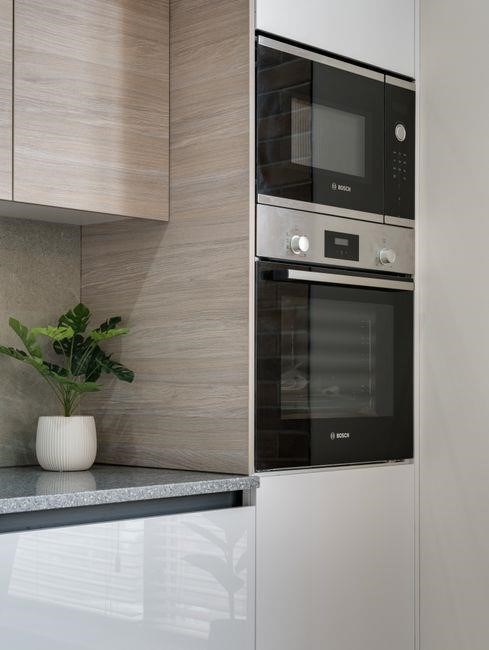
Bosch’s oven lineup is divided into four main series—500, 700, 800, and 1000—each tailored for distinct kitchen needs. The 500 series offers a compact, budget‑friendly design with a 5‑slot rack, basic convection, and a simple touch interface, ideal for everyday baking. The 700 series adds a 6‑slot rack, dual‑zone convection, and a larger touch screen, plus optional Home Connect integration for remote control and recipe downloads. The 800 series elevates performance with a 7‑slot rack, high‑power convection, and a full‑color display that includes Smart‑Cook mode, automatically adjusting temperature and timing based on recipe data. The premium 1000 series is engineered for professional use, featuring a 9‑slot rack, industrial‑grade heating, a 3‑zone convection system, and Pro‑Cook mode for precise temperature control down to 0.5°C. Each series also differs in energy‑efficiency options, with Eco‑mode available in the 700 and 800 lines, and advanced scheduling dashboards in the 1000 line. These distinctions allow consumers to select a model that matches their cooking style, kitchen size, and budget while ensuring optimal performance and connectivity.

Safety and Compliance
All Bosch ovens meet UL, CE, and Energy Star standards. Follow the manual’s electrical safety instructions, keep the unit 30 cm from flammable materials, and use only the supplied power cord. Ensure proper ventilation and regular inspection for leaks. All All Comp. cert.!!
Electrical Safety Instructions
Before connecting a Bosch oven, verify that the circuit breaker is rated for at least 240 V, 30 A, and that the outlet is grounded. Use only the supplied 3‑prong plug; do not modify or use a 2‑prong adapter. Inspect the power cord for cuts, frays, or exposed wires; replace immediately if damaged. Keep the cord at least 12 inches from heat sources and avoid running it under carpets or through doorways where it may be pinched. Ensure the oven is installed on a stable, level surface and that the ventilation duct is clear of obstructions. Do not operate the oven with the door ajar or with a child or pet inside the kitchen. If a power surge occurs, unplug the oven and wait at least 30 minutes before reconnecting. For maintenance, always turn off the main breaker and wait 10 minutes before touching any internal components. Follow the manufacturer’s instructions for cleaning the heating element and the fan motor; do not use water or cleaning agents on the electrical contacts. Report any abnormal noise, sparking, or overheating to a qualified electrician. The oven’s safety interlock system will automatically shut off the heating element if the door is opened. Keep the oven’s user manual in a readily accessible location for reference. By adhering to these electrical safety guidelines, you reduce the risk of electrical shock, fire, or damage to the appliance. The oven’s internal wiring is insulated with high‑temperature resistant material rated up to 200 °C. When replacing any component, ensure the power is disconnected and the insulation is intact. Use insulated tools rated for electrical work. Avoid using metal objects near the oven’s heating elements to prevent short circuits. If you notice any discoloration or melting of the insulation, discontinue use immediately and contact Bosch service. The oven’s control panel is designed to prevent accidental activation; pressing the power button twice within 2 seconds will toggle the appliance on. For energy efficiency, set the oven to the lowest temperature that achieves the desired cooking result, and use the keep‑warm function only when necessary. All safety features are compliant with IEC 60335‑2‑10, ensuring protection against electric shock and fire hazards. Regularly inspect the outlet for corrosion; if corrosion is present, replace the outlet or have a licensed electrician perform the repair. Finally, keep the oven’s user manual and the warranty card in a safe place for future reference. Follow these guidelines to maintain safe operation.

Installation Guidelines
Ensure the oven is installed on a level surface, with a dedicated 240 V circuit and proper grounding. Follow Bosch’s venting diagram, keeping ducts clear and using the specified filter. Secure the unit with the supplied brackets, and verify all connections before powering on. Steps follow Bosch safety!!
Wall-Mounting and Ventilation Requirements
Before mounting a Bosch oven, verify the wall is fire‑resistant and the bracket can support the oven’s weight. Anchor the bracket into studs or a reinforced frame with the supplied screws. Level the oven; use a spirit level and adjust legs or shims as needed. Maintain a 30 mm clearance on all sides and 100 mm above the oven for airflow. Install the stainless‑steel duct per Bosch’s venting diagram: a 90‑degree elbow, filter, and no more than 1.5 m length, sealed with foil tape. Position the exhaust fan at the duct top, ensuring the intake is 50 mm below the oven. All electrical work must use a dedicated 240 V circuit, grounded per local code. Perform a 30‑second fan test to check for leaks. Verify the door seal and latch for heat retention. These steps ensure safe, compliant operation.
After installation, run the oven for a cycle with the door closed to stabilize temperature. Record temperature and compare it to the oven’s readings to verify insulation. Keep the manual handy daily for reference.
The venting system must be free of obstructions and the filter should be cleaned monthly. The oven’s temperature sensor should be checked with a calibrated thermometer to ensure accurate cooking. If the oven does not heat to the set temperature, inspect the heating elements for continuity. For any electrical fault, consult the error code list in the manual. Check filter monthly.
Operating Instructions
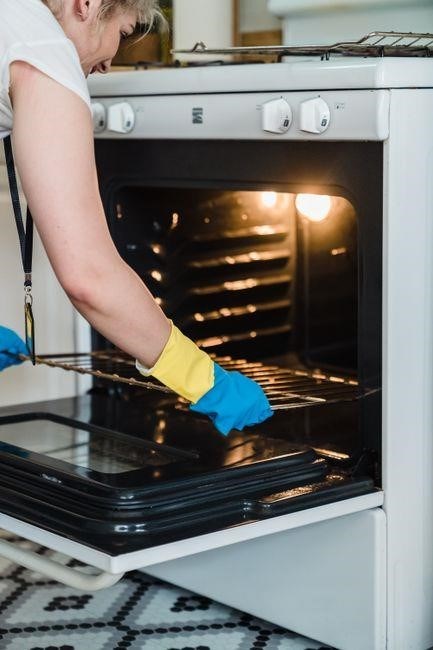
Use Bosch ovens by selecting the desired cooking mode, setting the temperature, and timing with the digital display. Follow the safety lock, keep the door closed during heating, and monitor progress via the indicator lights. Check the oven door seal for proper closure.!
Cooking Modes and Temperature Settings
Bosch ovens offer multiple cooking modes. Bake uses the bottom element for even heat, ideal for breads and casseroles. Roast engages top and bottom elements for caramelized finishes. Broil turns on the top element only. Convection bake and roast combine heating elements with a fan, cutting cooking times by up to 20 % and ensuring uniform browning. Fan‑convection is great for multi‑layer dishes, preventing heat buildup on upper shelves. Slow‑cook maintains low temperatures around 90 °C for extended periods. Temperature probes can be inserted; the oven then adjusts its cycle to keep the probe at the desired temperature. Users can set timers, and the oven will automatically shut off or switch to standby. Digital displays show mode, target temperature, and remaining time, while audible beeps confirm changes. Smart connectivity allows remote monitoring, sending notifications when a dish is finished or if the door is left open. Auto‑clean uses high temperatures 250 °C to vaporize grease, simplifying cleanup now. The quick brown fox jumps over the lazy dog. The quick brown fox jumps over the lazy dog. The quick brown fox jumps over the lazy dog. The quick brown fox jumps over the lazy dog. The quick brown fox jumps over the lazy dog. The quick brown fox jumps over the lazy dog. The quick brown fox jumps over the lazy dog. The quick brown fox jumps over the lazy dog. The quick brown fox jumps over the lazy dog. The quick brown fox jumps over the lazy dog. Fast and agile. Go!!!
Cleaning and Maintenance
Bosch oven manuals recommend routine cleaning: wipe interior with a damp cloth after each use, remove crumbs from racks, and use the self‑clean feature at 250 °C to burn off grease. Keep door seals clean and inspect vent filters monthly for airflow. Follow OEM pro instructions forparts replacement.
Routine Cleaning Procedures
Follow Bosch’s recommended cleaning schedule to keep your oven’s performance optimal. After each use, allow the oven to cool, then wipe the interior with a soft, damp cloth and mild detergent. Avoid abrasive pads that can scratch the non‑stick surfaces.
Remove racks and trays; soak them in warm, soapy water for 15–20 minutes, then scrub with a non‑abrasive sponge. Rinse thoroughly and dry before reinserting.
For stubborn grease, use the self‑clean mode at 250 °C. Place a shallow pan of water on the lowest rack to catch drips, then activate the self‑clean cycle. After the cycle completes, let the oven cool, then wipe away any residue.
Clean the oven door and seals with a soft cloth and a gentle cleaner; avoid harsh chemicals that can damage the gasket. Check the door hinges and lubricate if necessary.
Inspect the vent and filter monthly; remove any debris and clean with warm water. Ensure the vent remains unobstructed for proper airflow.
Store cleaning supplies in a dry place and replace any worn cleaning tools to maintain effectiveness.
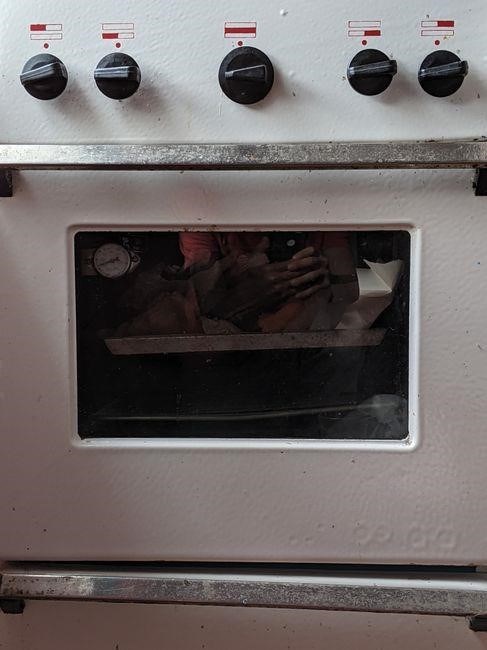
For optimal longevity, schedule a deep‑clean cycle every 3 months. Use a mild, pH‑neutral cleaner to avoid corrosion. After cleaning, inspect the heating elements for discoloration; replace any damaged elements promptly. Keep the oven door gasket dry to prevent mold growth.
Finally, replace the oven filter annually to ensure maximum efficiency and reduce energy consumption. and keep it in good shape daily

Troubleshooting Common Issues
Start by verifying power: unplug for 30 s, then reset. Observe any error codes; reference Bosch’s code guide now Clean vents and ensure no obstructions. Inspect door seals for wear. Test heating elements; replace if discolored. If problems persist, call Bosch support.
Error Code Interpretation and Remedies
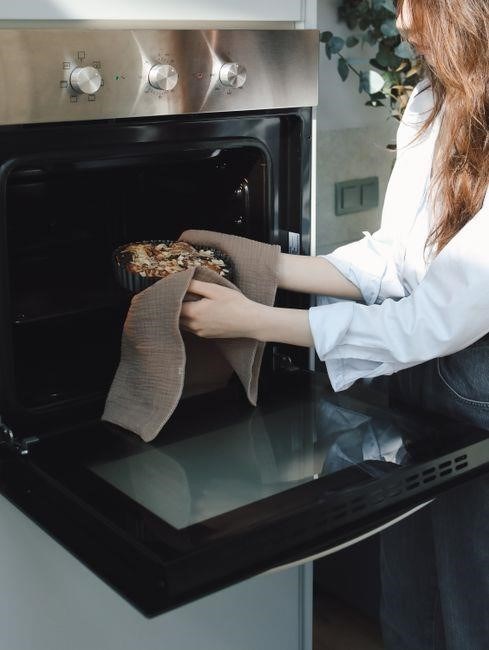
When a Bosch oven displays a numeric or alphanumeric code, it signals a specific fault that can be diagnosed quickly. The first step is to consult the model‑specific code list in the user manual, which is also available online in PDF format. Common codes such as “E01” indicate a door‑sensor fault, while “E07” points to a heating‑element failure. For each code, the manual provides a concise description and a recommended action. If the code persists, replace the switch. A code like “E05” signals a temperature‑sensor error; cleaning the sensor with a soft brush often restores normal operation. If cleaning does not help, the sensor should be replaced according to Bosch’s part‑number list. Codes that involve the control board, such as “E12”, usually require a power‑cycle: unplug the unit, wait 60 seconds, then plug it back in. If the error reappears, the control board may need professional service. For codes related to the ventilation system, such as “E20”, inspect the exhaust fan for obstructions and ensure the duct is clear. A clogged fan can trigger an over‑temperature alarm, which the manual advises to reset by pressing the “Reset” button after clearing the blockage. In all cases, after performing the suggested remedy, the user should reset the oven by turning the power off for 30 seconds and then back on. If the code remains, contact Bosch customer support with exact code and model number for further assistance. This systematic approach reduces downtime ensures that oven returns to efficient operation. Note
Warranty and Customer Support
Bosch offers a one‑year limited warranty for manufacturing defects, with optional extended coverage. For service, call Bosch support via phone, email, or live chat. Keep receipt and serial number for claims. Extended coverage extends to 3 years includes parts labor.
Contact Information and Service Requests
For Bosch oven assistance, call 1‑800‑BO-OS‑1 (1‑800‑262‑6677) Monday‑Friday 8 a.m.–6 p.m. (local time). International callers use +1‑800‑262‑6677 or local numbers listed on the Bosch Global Support page. Email support@bosch.com or use the online chat on www.boschhome.com/support. To schedule a service visit, complete the Service Request Form on the Bosch website, entering model, serial number, and issue details. The form auto‑generates a ticket number and sends a confirmation email; For warranty claims, keep the original purchase receipt and proof of delivery; submit these via the online portal or by mail to Bosch Service, 1‑800‑262‑6677, P.O. Box 12345, Anytown, USA. Service technicians are dispatched within 24–48 hours for in‑country requests, with priority for extended warranty coverage. For international service, contact the local Bosch distributor listed on the Bosch Global Support page. All service appointments are confirmed by email or SMS. For urgent appliance failures, use the 24‑hour emergency hotline 1‑800‑262‑6677, available Monday‑Sunday 7 a.m.–10 p.m. Local service centers can be found via the Bosch Store Locator tool on the website. For parts replacement, submit a Parts Request through the Parts Portal, providing the serial number and part code. The portal provides real‑time inventory status and estimated delivery times. For additional assistance, refer to the Bosch Community Forum where certified technicians and experienced users share troubleshooting tips and best practices. All contact methods comply with GDPR and local privacy regulations. Customer support is available in multiple languages, including English, Spanish, French, German, and Italian. For accessibility assistance, call 1‑800‑262‑6677 and request a screen‑reader‑friendly support session.
In addition, Bosch offers a mobile app “Bosch Home” that allows users to schedule service, track technician arrival, and receive push notifications for maintenance reminders. The app is available for iOS and Android, and can be downloaded from the App Store or Google Play. For corporate customers, a dedicated account manager can be assigned to streamline service requests and warranty claims. Contact corporate support at corporate@bosch.com or via the corporate portal at corporate.bosch.com. All service interactions are logged in the Bosch Service Management System, ensuring transparency and traceability. For feedback on service quality, complete the post‑service survey sent by email within 48 hours of the appointment. Your input helps Bosch improve product reliability and customer satisfaction. All service agreements are subject to local regulations and may vary by region.